by Brandon Beck
Alleluia! Christ is Risen! Can you believe that we’re already getting ready for Easter?
Breathe in! Pause. Breathe out.
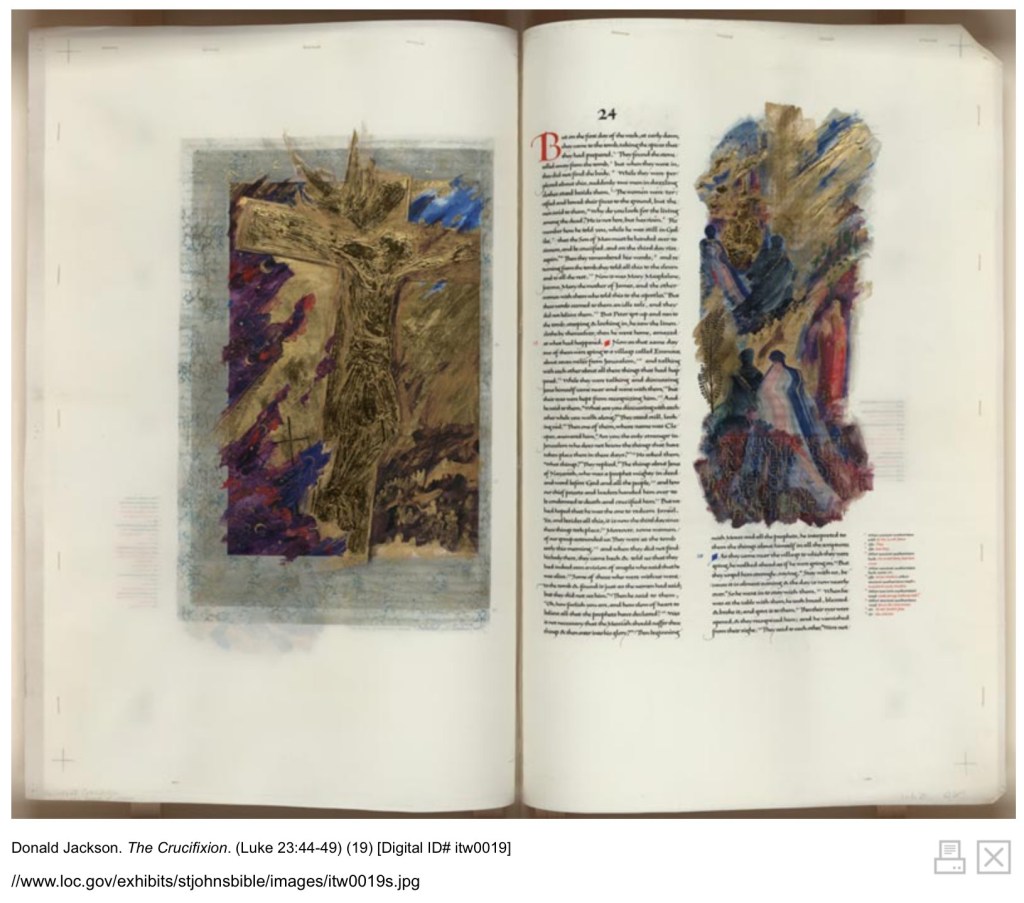
Getting ready for Easter is a slow, peaceful time. Even for those of us who work in the Church. I was reading in Chapter 6 of Diarmaid MacCulloch’s Christianity, for my Church History class this week, about the early observances of Lent as the Church was just taking some sort of shape we might recognize.
In the 4th century Roman Empire under Constantine, the Church grew and took shape because Constantine wanted it to. He asked clergy for advice, asked his soldiers to pray, gave them a symbol of Christ’s protection to wear into battle, and gave Christians money to build churches.[1]
When Constantine won a key victory at the Milvian Bridge in 312, he saw a vision of a cross of light in the sky above the sun with an inscription that said (translated): “Conquer by this.”[2]
The first mention of the penitential season before Easter is in the Council of Nicaea (325). The preparation for celebrating a festival in remembrance of the Resurrection was marked by vigil, abstinence, retreat – to emulate Christ’s desert 40 days. Catechumens of the early Church, awaiting baptism, spent those 40 days, especially, anxiously awaiting their turn to be received during the celebration of Easter.[3] And from that practice we have Lent. I wonder how much our practices look like theirs?
Personally, I prefer not to be anxious. I get it; they were actively anticipating Jesus to re-arrive at any moment. They believed that they needed to be free of all fleshly things to be ready for Jesus when he arrived. I believe Jesus is here, now, as he always has been and always will be, so I am able to let go a little more and try not to let anxiety set in. When I take on the ash on February 14 and contemplate it for 40 days, I will dwell on the creative force that is the Trinity and on the newness that comes even in death.
Amen.
[1] Diarmaid MacCulloch. 2010. A History of Christianity : The First Three Thousand Years. London: Penguin, 189-193.
[2] MacCulloch, Christianity, 191.
[3] Ibid, 199-200
 Living God's Mission