Dennis Raverty, writing for The Living Church, recently took a closer look at a widely-distributed 19th century print of a painting by George Caleb Bingham, titled The Jolly Flatboatmen.
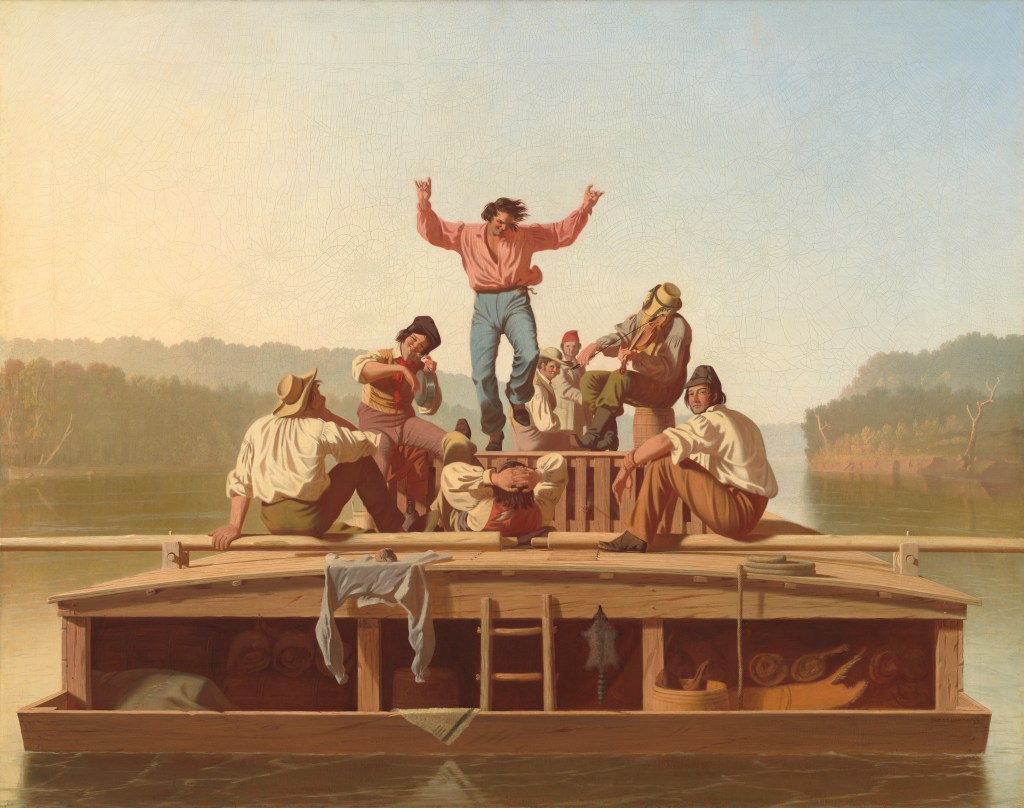
When the engraving was distributed to American Art-Union subscribers in 1846, some objected that the realistic subject matter was “uncouth.” Raverty believes that Bingham was intentionally mirroring a far more lofty painting by the Renaissance master Raphael, The Transfiguration of Christ. In “quoting” Raphael, as Raverty expresses it, Bingham makes the clear implication that “life on the Western frontier transforms people, and helps them realize their innate Christlike potential.”
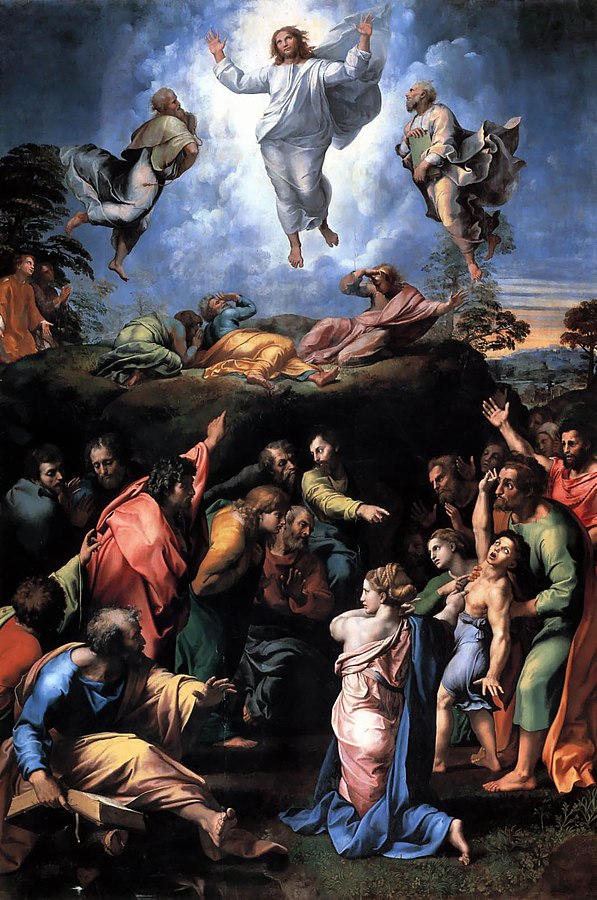
Raverty writes, “The gift of discernment demanded by the painting is the ability to see the latent Christ even in the most humble and coarse of subjects. Seeing the High Renaissance references in this lowly genre piece of daily life on the river required a similar act of recognition.”
Recognizing Christ at work in our daily lives requires understanding Christ as living and active in the world we encounter. Bingham’s gift of highlighting daily life transformation reaffirms our own aspirations to see Jesus often in the people and situations around us. As Raverty concludes, “By elevating the ordinary, as Bingham has done in this painting, the artist transfigures it, and at the same time challenges viewers to discern the hidden image of the glorified Christ in their otherwise mundane, everyday reality.”
Cursilllistas who practice living “the Fourth Day” ask themselves each week, “Where have I seen Christ in action?” A good question for those of us who seek to follow Jesus.
 Living God's Mission