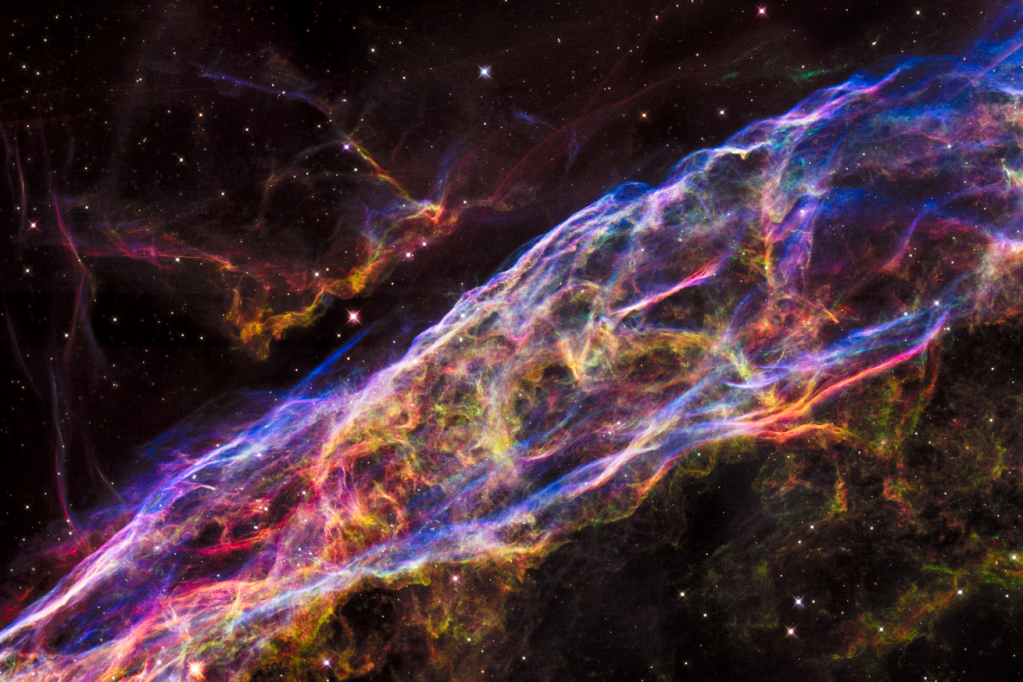
by Demi Prentiss
My extended, blended family is, probably like many other similar families, repeatedly in the throes of learning how to be with one another. Lately, we have a mantra to fall back on when things get tough: “We are allowed to make mistakes.” That’s not designed to avoid accountability, or foster a laissez faire attitude about not doing our best. It does, often, open a door to grace – recognition that human beings are fragile and prone to unforced errors, and often in need of toleration. We need safe space where we can risk and be wrong. Fail fast, learn from mistakes, seek forgiveness, and even when we fall down, persist in falling forward.
A priest friend, looking at the Genesis story of “The Fall” and Adam and Eve’s ejection from the Garden of Eden, often said that original sin had nothing to do with sex, and not even with lust for knowledge. “The original sin is the desire for certainty,” he would pronounce, with a wink to those who recognized the irony of his daring to be so certain.
We human beings – made in the image of God, say the prophets – really do seem to prefer black-and-white, cut-and-dried, take-it-or-leave-it dichotomies, with clear boundaries and the opportunity to categorize outcasts and insiders. The only trouble is that Jesus – and the rest of the Trinity, apparently – are much less into stark differentiation and more into a willingness to focus on similarities rather than differences. That whole “God is love” thing.
As we seek to be followers of the Son of God, part of the walk of faith is the willingness to take the next step, following God’s calling, without the luxury of certainty. Christian theologian Paul Tillich wrote, “Doubt isn’t the opposite of faith; it is an element of faith.”[1] And author Anne Lamott answers, “[The] opposite of faith is not doubt, but certainty. Certainty is missing the point entirely. Faith includes noticing the mess, the emptiness and discomfort, and letting it be there until some light returns”[2]
“…until some light returns.” That’s a tough space to wait in. And Christians are called to speak out for God’s truth and light even when darkness appears to prevail. The Good News includes, “You shall know the truth, and the truth shall set you free” (John 8:32). God’s truth, revealed in the cosmos, reminds us that God’s incredible, enthusiastic diversity is a more trustworthy guide to truth than single-minded certainty. The “first testament” – all of creation – speaks that truth. Difference – and mess – everywhere!
Richard Rohr’s Daily Meditation for Aug. 31, 2024 offers a prayer from author Cole Arthur Riley, “A Prayer for Those Who Thought They Knew,” a “prayer for those who have left spiritual spaces of certainty”:
God of wisdom,
It’s hard to know what to say to a God claimed by those who have wounded us. Can we trust you? We have known what it is to exist in spiritual spaces that are more interested in controlling us than loving us. To have the room turn against us when our beliefs diverge from the group’s. We thank you for giving us an interior compass, an intuition that no longer trusts spirituality that feels like captivity. Free us from those spaces. But as we depart, keep us from relinquishing our own connection to the divine. Help us to approach you slowly in the safety of our own interior worlds before granting another spiritual space access to us. And when we’re ready, guide us into new and safe communities—communities capable of holding our deepest doubts, our beliefs, the fullness of uncertainty, without being threatened. May we approach shrewdly and carefully, for our own protection, as we search for spaces that honor the whole of us.
Ase.

Riley offers this prayer to use with the breath:

INHALE: I am free to not know.
EXHALE: I can rest in mystery.
INHALE: I may not know what I believe,
EXHALE: but I know it will sound like dignity.
INHALE: My doubts are sacred.
EXHALE: God, stay close as I wander.
[1] Paul Tillich, Systematic Theology, Volume 2 (University of Chicago Press: Feb. 15, 1975), pp 116-7. Dec 08 . 2015
[2] Anne Lamott, Plan B: Further Thoughts on Faith, (Riverhead Books: 2005)
 Living God's Mission