by Pam Tinsley
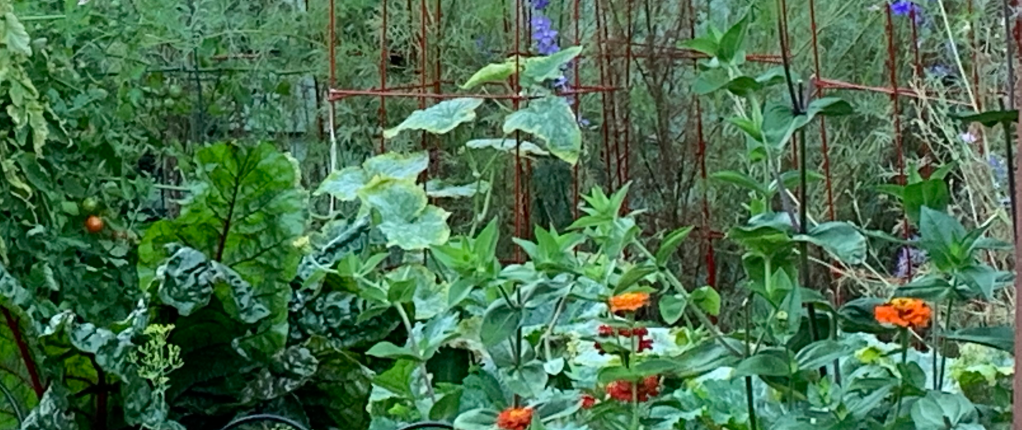
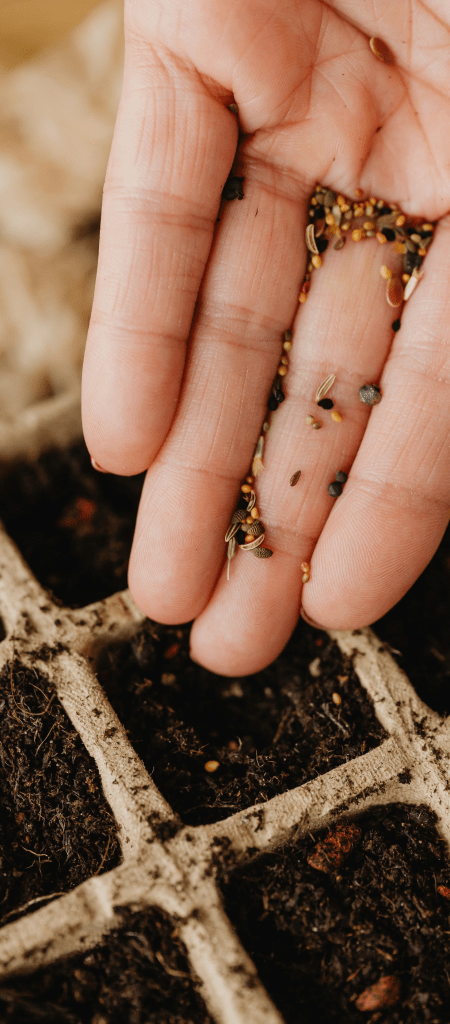
I love to garden, and – aside from tomatoes – I prefer growing flowers and vegetables from seeds rather than by purchasing starts. Each morning, I faithfully check to see if a sign of new life has emerged from the freshly tilled and enriched soil. By summer’s end, what began as a bare patch of soil teems with a bounty of vegetables and flowers.
This summer the Revised Common Lectionary has highlighted a string of Jesus’ parables in Matthew. I can’t help making the connection between my small-scale gardening and the work of the Master Gardener in the Kingdom of Heaven.
Jesus reminds “those with ears to listen” that the Kingdom begins in the smallest of places: a seed in the ground, a pinch of yeast in dough, an unnoticed act of kindness, a word of encouragement, a gesture of forgiveness. These little things, when nurtured by hope and inspired by love, become the very means by which God’s love permeates and flourishes in the world.
Little things in daily life are signposts to the riches of the Kingdom of Heaven and are often hidden in plain sight. A mustard seed grows into a great shrub that shields birds and other creatures from the sweltering sun. A small measure of yeast transforms an entire batch of dough, more than enough to satisfy our hunger.
God’s Kingdom works the same way. Hope planted in the midst of despair; love offered in the face of indifference; mercy extended where resentment would seem easier are all seeds of transformation. They quietly change lives, communities, and ultimately all of creation. The Kingdom grows through countless small acts of faithfulness that are easily overlooked. Yet each act ripples outward, farther and deeper than we might ever imagine.
The seeds of the Kingdom of Heaven are found in the ordinary rhythms of everyday life. The mustard seeds and yeast of our lives flourish in times of quiet faithfulness, unnoticed generosity, patient endurance, humble service, and within communities that choose hope over fear and love over self-interest. These small acts are not merely symbols of God’s Kingdom; they are the very places where God’s Kingdom takes root and grows.