by Pam Tinsley

“Will you respect the dignity of every human being?” was one of the questions we were asked as we renewed our baptismal promises on the First Sunday after the Epiphany (Book of Common Prayer, p. 305). This question was especially poignant in the face of the vitriol spewed by the administration’s leaders which resulted in an impasse that requires hundreds of thousands of government employees to work without pay. The longest government shutdown in our nation’s history is having a rippling effect on some people and a tsunami effect on others, such as those who rely on the government for essential services like food inspection, airport security, food for children and their families, and loans for already financially strapped farmers, not to mention paychecks for contract workers required to work and who will not receive back pay.
Will you respect the dignity of every human being?
As we wait for our elected officials to lead, I’m reminded that each one of us is a leader within our own sphere of influence. The words we proclaim on Sunday mornings when we renew our baptismal promises are not meant to be for Sunday only, or for only within the walls of the church. They are words meant for every day. They are words meant for each situation we encounter when we relate to others, regardless of whether they look like us, where they are from, or whether they hold the same opinions or beliefs as we do. Merely words? No! Words that shape how we live.
Living by the words of our baptismal covenant, including “will you respect the dignity of every human being,” requires us to hold our leaders accountable. This includes speaking up when the dignity of others is violated, because silence, after all, is consent. Our baptismal promises also call us to respect the dignity of those with whom we disagree. And therein lies the challenge.
 The Gospel is Jesus’ victory in all of our life.

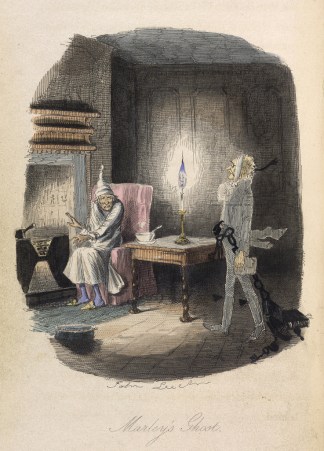 I recently saw a stage production of Charles Dickens’ A Christmas Carol. He wrote his novella in 1843, in outraged response to the dire working conditions of the poor, especially of women and children, as England became more industrialized. I’m sure you’re familiar with the story of Ebenezer Scrooge, a slave of greed – heartless and mean-spirited – who is visited first by the ghost of his deceased business partner, Jacob Marley, who voices his life regrets. He is then visited by the Spirits of Christmas Past, Present, and Future, before he awakens humbled and transformed on Christmas morning.


 by Fletcher Lowe
 This work of recognizing, celebrating, and engaging the laity as equal and essential partners in ministry is not limited to The Episcopal Church. Back in 2017, the Church of England launched a new program called
 In the days that led up to our contentious mid-term elections, I read an uplifting
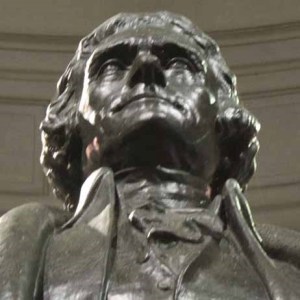 Our faith shapes our values. Not all of us are called to political office or public service. I certainly am not. Yet I am grateful to live in freedom in a republic, and I view my participation – by voting – in the political process as essential to my faith. For me, it is an expression of how Jesus commands me to seek and serve him by loving my neighbors – with God’s help. Just as I have been encouraged to pray for wisdom and integrity in exercising my right to vote and to pray for our nation and elected leaders – regardless of political affiliation – I encourage others to do so, as well. After all – in the words of Thomas Jefferson – we, the People, are the true leaders of our nation.
 I believe that our primary purpose in creation is to build a more loving and just world. And we are well on our way. Humankind has come a long way toward living in more loving and just ways – away from tribal chiefs, child sacrifice, and treating illness with spells and toward more democratic governments, more responsible care for the planet, and more effective health care by doctors and their helpers. We still have a long way to go in coping with climate change, in getting wealth out of politics, and in ending spouse and child abuse.

